

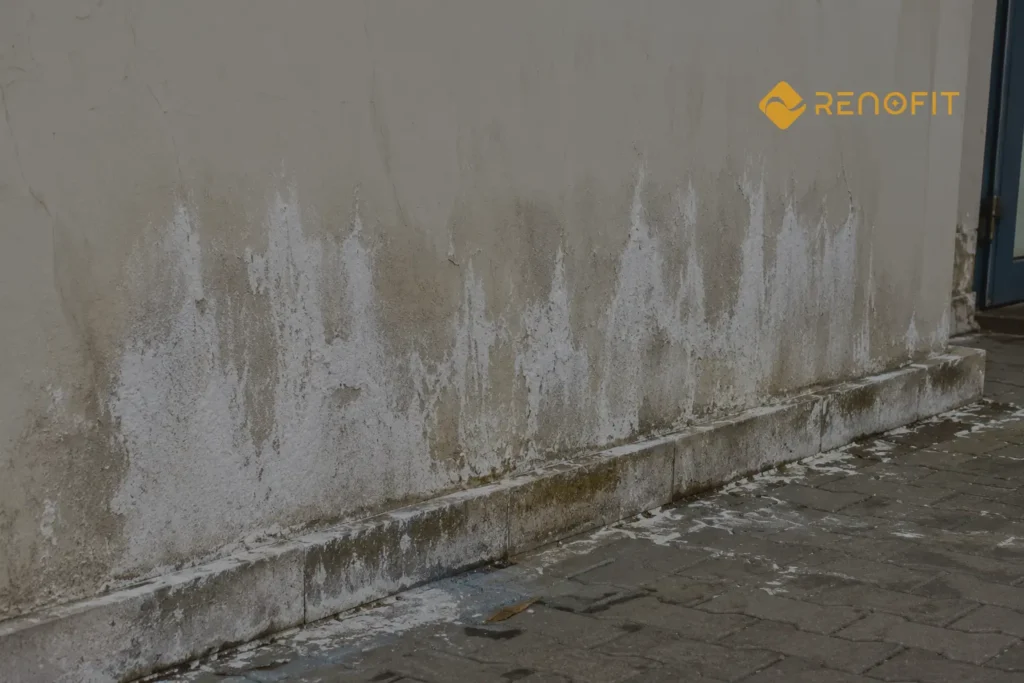
Have you ever noticed a white, chalky powder forming on your walls and wondered what it is? Many property owners assume it’s dust, mold, or peeling paint, but in many cases, it’s actually efflorescence. While it may seem like a cosmetic issue at first, it often points to a hidden moisture problem that shouldn’t be ignored.
Efflorescence appears when water moves through concrete, brick, or plaster and carries natural salts to the surface. As the moisture evaporates, these salts remain behind, creating the white deposits you see on walls. Although the deposits themselves are usually harmless, the moisture causing them can lead to costly repairs if left untreated.
Understanding why efflorescence develops and addressing the root cause early can help protect your property from long-term damage.
What Is Efflorescence?
Efflorescence is the white crystalline or powdery substance that forms on masonry, concrete, brick, cement, and plaster surfaces. It occurs when water dissolves naturally occurring salts within building materials and transports them to the surface.
As the moisture evaporates, the salts remain visible as a white residue.
Unlike mold, efflorescence has no odor and doesn’t grow like a fungus. It is simply a sign that moisture is moving through your walls or structure.
What Causes Efflorescence on Walls?
Efflorescence always requires three conditions:
- Water
- Soluble salts
- A porous building material
When these conditions exist together, white deposits begin to appear.
Common causes include:
Water Seepage
Rainwater entering through cracks or damaged exterior walls allows moisture to travel through masonry.
Poor Waterproofing
Failed waterproofing membranes or deteriorated protective coatings allow moisture to penetrate structural surfaces over time.
Plumbing Leaks
Hidden pipe leaks inside walls continuously introduce moisture into surrounding materials, encouraging salt migration.
Construction Moisture
Newly constructed buildings often contain trapped moisture within concrete and plaster. During the drying process, temporary efflorescence may appear.
High Humidity
Poor ventilation in bathrooms, kitchens, or utility rooms increases moisture levels, creating favorable conditions for salt deposits.
Common Signs of Efflorescence
The most obvious sign is a white powdery coating on the wall surface, but several other symptoms may indicate the same underlying moisture issue.
Watch for:
- White chalk-like deposits
- Peeling or bubbling paint
- Damp patches
- Stained plaster
- Powder collecting on floors beneath walls
- Cracked wall finishes
- Reappearing white stains after cleaning
If the white deposits return repeatedly, cleaning alone will not solve the problem because the source of moisture still exists.
Is Efflorescence Dangerous?
Efflorescence itself is generally not harmful to people or the structural integrity of a building.
However, it should never be ignored.
The real concern is the moisture hidden behind the surface.
Over time, persistent moisture can contribute to:
- Damaged paint finishes
- Weakening plaster
- Mold growth
- Concrete deterioration
- Corrosion of embedded steel reinforcement
- Reduced lifespan of wall finishes
In other words, efflorescence is often an early warning sign rather than the actual problem.
How Professionals Diagnose the Problem
Removing the white powder is only one part of the solution. Identifying where the moisture is coming from is far more important.
Professional inspections typically include:
Moisture Testing
Specialized moisture meters help identify damp areas hidden behind paint and plaster.
Leak Detection
Water supply lines and drainage systems are inspected for concealed leaks.
Exterior Building Inspection
Walls, roofs, balconies, windows, and expansion joints are examined for water entry points.
Waterproofing Assessment
Existing waterproofing systems are evaluated to determine whether they have deteriorated or failed.
This comprehensive approach helps solve the problem permanently instead of temporarily hiding the symptoms.
How to Remove Efflorescence Safely
If the moisture source has already been corrected, the remaining deposits can usually be removed using appropriate cleaning methods.
Safe cleaning methods include:
- Dry brushing with a soft-bristle brush
- Vacuuming loose deposits
- Cleaning with mild water-based solutions where appropriate
- Professional cleaning for stubborn or recurring deposits
Avoid simply painting over efflorescence.
If moisture continues to move through the wall, the white deposits will eventually return and may cause the new paint to peel.
How to Prevent Efflorescence
Preventing moisture from entering building materials is the most effective long-term solution.
Property owners should:
- Repair cracks promptly
- Maintain waterproofing systems
- Ensure proper drainage around the building
- Fix leaking plumbing immediately
- Improve ventilation in moisture-prone areas
- Schedule regular property inspections
Routine maintenance is significantly less expensive than repairing extensive moisture damage later.
When Should You Contact a Professional?
Professional assistance is recommended if you notice:
- White deposits returning after cleaning
- Large damp patches
- Water stains spreading across walls
- Paint repeatedly peeling
- Mold growth
- Persistent musty odors
- Cracks accompanied by moisture
Early inspection helps identify the source before moisture causes more extensive structural or interior damage.
Conclusion
Although efflorescence may appear to be nothing more than white powder on a wall, it often signals an underlying moisture issue that deserves attention. Addressing the source of water intrusion rather than simply cleaning the surface can prevent more serious problems such as mold, damaged finishes, and long-term deterioration.
If your property shows recurring signs of efflorescence, consulting an experienced renovation company in Dubai can help identify hidden moisture issues before they become costly repairs. Whether you require interior restoration from the Best Fit Out Company in Dubai or ongoing property care from the Best Facility Management Company in Dubai, professional assessment is the most effective way to protect your investment and maintain the long-term health of your building.