

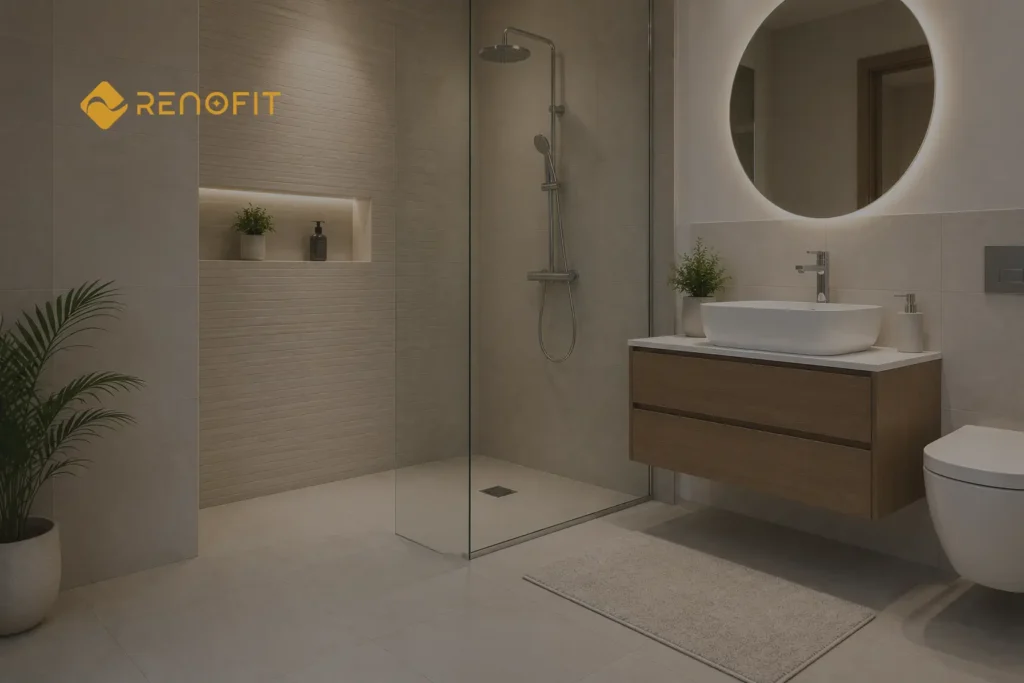
Bathrooms are among the most frequently used spaces in any home or commercial property, making them constantly exposed to water, humidity, and temperature changes. While quality waterproofing is designed to protect walls, floors, and structural elements from moisture damage, many property owners experience waterproofing failures much earlier than expected. What begins as a small damp patch or loose tile can quickly develop into leaking ceilings, mold growth, damaged finishes, and costly structural repairs.
In many cases, waterproofing doesn’t fail because of age alone. Poor installation, low-quality materials, inadequate surface preparation, and a lack of routine maintenance are often the real reasons behind early failure. Identifying these issues before they worsen can save both time and money while protecting the long-term value of your property.
Common Signs Your Bathroom Waterproofing Is Failing
Bathroom waterproofing problems often begin with subtle warning signs that are easy to overlook. Recognizing these early indicators allows repairs to be carried out before moisture spreads to surrounding areas.
Some of the most common signs include:
- Damp or discoloured walls
- Peeling paint outside the bathroom
- Water stains on ceilings below the bathroom
- Mold or mildew around corners and tile joints
- Loose or hollow-sounding floor tiles
- Persistent musty odours
- Cracked grout or deteriorated silicone sealant
If one or more of these issues continue to appear, the waterproofing system should be inspected rather than simply treating the visible damage.
Why Bathroom Waterproofing Fails Earlier Than Expected
1. Poor Surface Preparation
A waterproofing membrane performs effectively only when applied to a properly prepared surface. Dust, moisture, grease, or uneven concrete can prevent the membrane from bonding correctly, leading to premature failure.
2. Low-Quality Waterproofing Materials
Not all waterproofing products offer the same level of protection. Inferior materials may deteriorate quickly under constant exposure to water and cleaning chemicals, reducing their effectiveness over time.
3. Incorrect Application
Waterproofing requires the correct application thickness, proper overlap at joints, and complete coverage around corners, floor drains, and pipe penetrations. Missing even a small section can allow moisture to enter beneath tiles.
4. Structural Movement
Buildings naturally expand and contract due to temperature changes and settling. Without flexible waterproofing systems, small structural movements can create cracks that allow water to penetrate.
5. Drainage Problems
Improper floor slopes cause water to collect in certain areas instead of flowing efficiently toward the drain. Standing water increases the risk of moisture penetrating grout lines and damaging the waterproofing layer beneath.
6. Lack of Maintenance
Over time, grout joints, silicone sealants, and plumbing fixtures can deteriorate. Ignoring these minor issues allows water to bypass the waterproofing system and gradually damage surrounding structures.
Problems Caused by Waterproofing Failure
A damaged waterproofing system affects more than just the bathroom. Moisture can spread through walls, ceilings, and adjacent rooms, creating larger structural concerns.
Common consequences include:
- Mold and mildew growth
- Peeling paint and damaged finishes
- Ceiling leaks in lower floors
- Loose tiles and flooring
- Concrete deterioration
- Increased repair costs
- Reduced indoor air quality
Addressing waterproofing issues early is far more cost-effective than repairing widespread water damage later.
How to Prevent Bathroom Waterproofing Failure
Preventive maintenance is the best way to extend the lifespan of a bathroom waterproofing system.
Property owners should:
- Inspect bathrooms regularly for signs of moisture.
- Repair damaged grout and silicone joints promptly.
- Fix leaking taps and plumbing connections without delay.
- Ensure floor drains remain free from blockages.
- Improve bathroom ventilation to reduce humidity.
- Schedule periodic inspections for older properties.
These simple maintenance practices help minimise moisture-related damage and improve the long-term performance of the waterproofing system.
When Professional Inspection Is Necessary
Recurring leaks, persistent dampness, or repeated mold growth usually indicate that the problem extends beyond the visible surface. Professional inspections can identify hidden moisture, damaged membranes, drainage issues, and structural defects before major repairs become necessary.
If your property is already undergoing upgrades, working with an experienced renovation company in Dubai allows waterproofing issues to be addressed alongside other improvements, reducing future maintenance costs. Likewise, projects involving complete bathroom redesigns benefit from the expertise of the Best Fit Out Company in Dubai, ensuring waterproofing is integrated correctly from the beginning. Regular inspections and preventive maintenance from the Best Facility Management Company in Dubai can also help identify early warning signs before they develop into expensive repairs.
Conclusion
Bathroom waterproofing is one of the most important yet often overlooked components of a property. While hidden beneath tiles and finishes, it plays a vital role in protecting walls, floors, and structural elements from moisture damage. Early waterproofing failure is rarely caused by a single issue; it is usually the result of poor workmanship, inferior materials, inadequate drainage, or neglected maintenance.
Recognising the warning signs early and investing in timely repairs helps prevent mold, water leakage, structural deterioration, and unnecessary expenses. Whether you own a home, villa, apartment, or commercial property, maintaining a reliable waterproofing system protects your investment and ensures a safer, healthier indoor environment for years to come.