

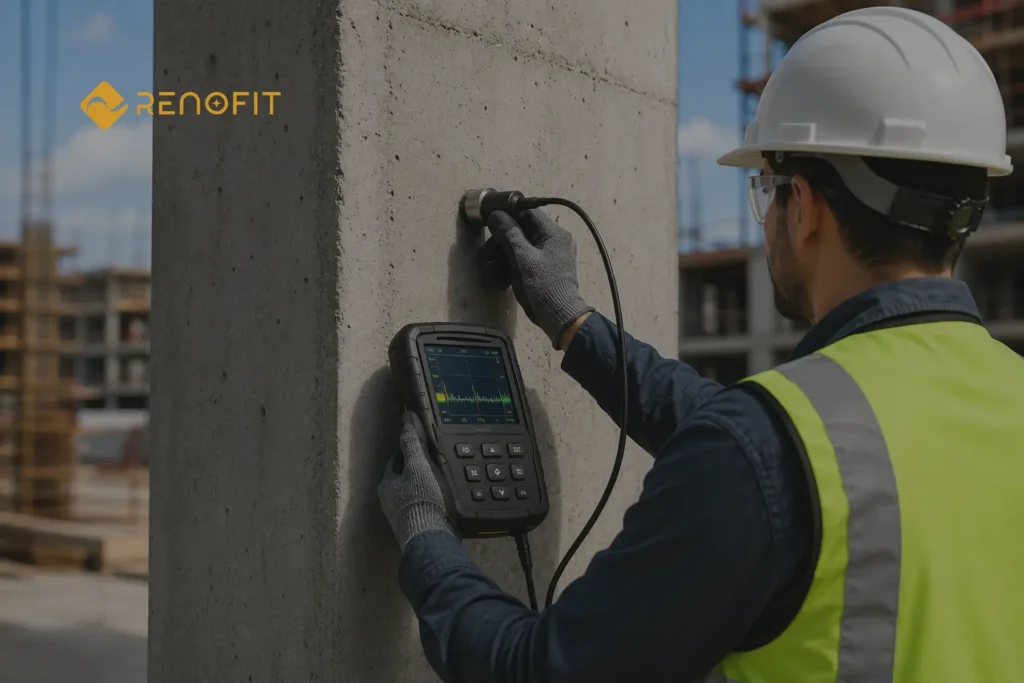
Buildings are designed to provide safety, durability, and long-term performance, but every structure experiences natural wear over time. Environmental conditions, heavy usage, moisture intrusion, structural movement, and aging materials can gradually affect a building’s condition. While some problems become visible on walls, ceilings, or floors, many structural defects remain hidden beneath concrete, steel, and other construction materials. Detecting these hidden issues before they develop into serious structural failures is one of the most important aspects of modern building inspection.
This is where Non-Destructive Testing (NDT) plays a vital role. NDT allows engineers and building professionals to evaluate the condition of structural elements without causing damage to the property. Instead of breaking walls, cutting concrete, or removing structural components, specialized testing methods help identify internal defects while keeping the building fully intact.
Today, Non-Destructive Testing is widely used for residential buildings, commercial facilities, industrial plants, bridges, warehouses, and high-rise developments. It provides accurate information that supports maintenance planning, renovation decisions, safety inspections, and structural assessments while reducing unnecessary repair costs.
Understanding Non-Destructive Testing (NDT)
Non-Destructive Testing, commonly known as NDT, refers to a collection of inspection techniques used to evaluate the condition, strength, and integrity of construction materials without damaging the structure being tested.
Unlike traditional inspection methods that may require drilling, breaking, or dismantling parts of a building, NDT uses specialized equipment to assess internal conditions safely and accurately.
These inspection techniques help engineers detect problems such as:
- Hidden structural cracks
- Internal concrete defects
- Steel reinforcement corrosion
- Moisture penetration
- Air voids within concrete
- Delamination
- Material deterioration
- Weak structural zones
Because the building remains undamaged throughout the inspection, NDT has become one of the most trusted methods for structural evaluations worldwide.
Why Is NDT Important for Building Inspections?
Every building eventually develops signs of aging. However, not every defect is immediately visible. Some structural problems remain hidden until they become expensive repairs or serious safety concerns.
NDT helps identify these hidden risks during the early stages.
The benefits include:
- Improved structural safety
- Early defect detection
- Reduced repair costs
- Better maintenance planning
- Longer building lifespan
- Accurate engineering assessments
- Minimal disruption to occupants
Instead of relying only on visual inspections, engineers can use scientific testing methods to understand the actual condition of structural elements before making maintenance or renovation decisions.
When Is Non-Destructive Testing Required?
NDT is commonly recommended whenever the structural condition of a building needs to be verified without causing unnecessary damage.
Typical situations include:
Before Renovation Projects
Before modifying structural walls, floors, or load-bearing components, engineers often perform NDT to understand the existing condition of the building.
Property owners planning upgrades may consult a renovation company in Dubai after completing structural assessments to ensure renovation work is based on accurate technical information.
During Property Purchase
Large residential and commercial property investments often include professional building inspections before purchase.
NDT helps buyers identify hidden structural concerns that may not be visible during standard site visits.
After Water Damage
Water leakage can gradually weaken concrete and steel reinforcement.
Following significant moisture exposure, engineers use NDT techniques to determine whether structural elements have been affected.
Following Fire Incidents
High temperatures can reduce the strength of concrete and steel.
Specialized testing helps evaluate whether structural components remain safe after fire exposure.
Aging Buildings
Older properties benefit from regular structural assessments to monitor deterioration and plan maintenance before serious problems develop.
Common Types of Non-Destructive Testing Used in Buildings
Different inspection methods are selected depending on the material being tested and the type of information required.
Rebound Hammer Test
The Rebound Hammer Test is one of the most commonly used NDT methods for evaluating surface concrete strength.
A spring-loaded hammer strikes the concrete surface, and the rebound value provides an indication of concrete hardness.
This test is useful for:
- Comparing concrete quality
- Identifying weak areas
- Preliminary structural assessments
Although it does not replace laboratory testing, it provides valuable on-site information quickly.
Ultrasonic Pulse Velocity Testing
Ultrasonic testing measures how quickly sound waves travel through concrete.
Changes in wave speed may indicate:
- Internal cracks
- Honeycombing
- Voids
- Concrete deterioration
Because sound behaves differently when defects are present, engineers can identify hidden problems without damaging the structure.
Ground Penetrating Radar (GPR)
Ground Penetrating Radar uses electromagnetic waves to scan beneath concrete surfaces.
It helps locate:
- Steel reinforcement
- Embedded pipes
- Electrical conduits
- Voids
- Slab thickness
GPR is widely used before drilling or cutting concrete because it reduces the risk of damaging concealed services.
Infrared Thermography
Infrared cameras detect temperature variations across building surfaces.
Temperature differences often reveal hidden issues such as:
- Moisture intrusion
- Water leakage
- Insulation defects
- Delaminated concrete
- Air leakage
Thermography is especially useful for inspecting roofs, exterior walls, and waterproofing systems without physical contact.
Cover Meter Survey
A Cover Meter measures the location and depth of reinforcing steel within concrete.
This information is valuable during:
- Structural assessments
- Renovation planning
- Core drilling
- Repair works
Engineers use these measurements to avoid damaging reinforcement during construction activities.
Building Problems That NDT Can Detect
One of the greatest advantages of Non-Destructive Testing is its ability to identify problems long before they become visible.
Common issues detected include:
Structural Cracking
Hidden cracks inside concrete may reduce structural performance even when exterior surfaces appear normal.
Reinforcement Corrosion
Corrosion weakens steel reinforcement over time and reduces structural capacity.
Early detection helps prevent expensive structural repairs.
Moisture Intrusion
Water entering walls, slabs, or roofs can slowly damage building materials.
Moisture detection supports waterproofing and maintenance planning before major deterioration occurs.
Concrete Voids
Improper concrete placement sometimes creates hidden air pockets.
These voids reduce structural strength and durability.
Material Deterioration
Environmental exposure, aging, and heavy usage gradually affect construction materials.
NDT helps engineers evaluate the remaining service life of structural components.
Benefits of Non-Destructive Testing in Building Inspection
Non-Destructive Testing has become an essential part of modern building inspections because it provides accurate structural information without affecting the integrity of the property. Whether the inspection is performed before renovation, during routine maintenance, or after environmental damage, NDT helps engineers make informed decisions based on actual building conditions.
Some of the major benefits include:
Early Detection of Structural Problems
Many building defects begin internally before they become visible on the surface. NDT helps identify hidden cracks, voids, reinforcement corrosion, and moisture penetration during the early stages, allowing corrective action before significant damage occurs.
Reduced Repair Costs
Identifying problems early helps property owners avoid expensive structural repairs. Small defects can often be repaired quickly, while neglected issues may require major reconstruction and extended downtime.
Improved Building Safety
Regular structural assessments help ensure that buildings remain safe for occupants. Engineers can verify the condition of critical structural components and recommend maintenance when necessary.
Better Maintenance Planning
NDT provides reliable technical data that supports preventive maintenance strategies. Building owners can prioritize repairs based on actual structural conditions rather than assumptions.
Minimal Disruption
Unlike traditional inspection methods, Non-Destructive Testing does not require breaking walls, removing concrete, or dismantling structural components. This allows inspections to be completed with minimal interruption to occupants and business operations.
Non-Destructive Testing vs Destructive Testing
Although both methods are used to evaluate structural conditions, they serve different purposes.
| Non-Destructive Testing | Destructive Testing |
| Does not damage the structure | Requires removal or damage to materials |
| Suitable for occupied buildings | Often requires repairs after testing |
| Faster inspection process | More time-consuming |
| Lower restoration costs | Additional repair costs after testing |
| Ideal for routine inspections | Mainly used for laboratory verification |
For most existing buildings, NDT is the preferred approach because it provides reliable information while preserving the structure.
Industries That Use NDT
Non-destructive testing is not limited to large commercial developments. It is widely used across multiple sectors where structural reliability and safety are essential.
Common applications include:
- Residential buildings
- Commercial offices
- Shopping malls
- Hotels and hospitality projects
- Industrial facilities
- Hospitals
- Educational institutions
- Warehouses
- High-rise buildings
- Public infrastructure
The flexibility of NDT allows engineers to inspect different building materials and structural systems without causing unnecessary disruption.
How NDT Supports Long-Term Building Performance
Every building experiences gradual deterioration due to age, environmental exposure, and daily usage. While these changes are inevitable, regular inspections help property owners understand how their buildings are performing over time.
By incorporating NDT into routine maintenance programs, building owners can:
- Improve structural reliability
- Extend the lifespan of construction materials
- Reduce emergency repair costs
- Improve maintenance budgeting
- Protect occupant safety
- Maintain long-term property value
This proactive approach helps organizations move from reactive repairs to planned maintenance, reducing operational risks and improving asset performance.
Many commercial property owners work with the best facility management company in Dubai to integrate regular inspections into their long-term maintenance strategy, ensuring building systems continue to operate efficiently throughout their lifecycle.
Similarly, businesses planning modern workspace upgrades often coordinate with the best fit out company in Dubai after structural assessments to ensure interior modifications are carried out on a sound and properly evaluated structure.
Frequently Asked Questions
What is Non-Destructive Testing (NDT)?
Non-destructive testing is a group of inspection techniques used to evaluate the condition of building materials and structural components without causing any physical damage.
Why is NDT important for buildings?
NDT helps detect hidden defects such as cracks, corrosion, moisture intrusion, and internal concrete damage before they develop into costly structural problems.
Can NDT detect water leakage?
Yes. Techniques such as infrared thermography and moisture detection can identify hidden water intrusion behind walls, ceilings, and other structural components.
Is NDT suitable for old buildings?
Yes. Older buildings benefit significantly from NDT because it helps assess structural condition without damaging aging materials.
How often should a building undergo NDT inspections?
The inspection frequency depends on factors such as building age, usage, environmental conditions, and maintenance history. Commercial properties generally require more frequent assessments than low-occupancy residential buildings.
Conclusion
Modern buildings require more than visual inspections to maintain structural integrity and long-term safety. Many critical defects remain hidden until they develop into expensive repairs or operational risks. Non-Destructive Testing provides engineers and property owners with a reliable way to evaluate structural conditions without causing damage, making it one of the most effective tools for preventive building assessment.
From identifying hidden cracks and moisture intrusion to locating reinforcement and evaluating concrete quality, NDT supports informed maintenance decisions that improve safety, reduce repair costs, and extend the lifespan of buildings.
Reno Fit understands the importance of proactive building inspections and long-term property care. By combining technical expertise with modern inspection practices, building owners can better protect their investments, improve operational efficiency, and maintain safe, durable environments for years to come.