

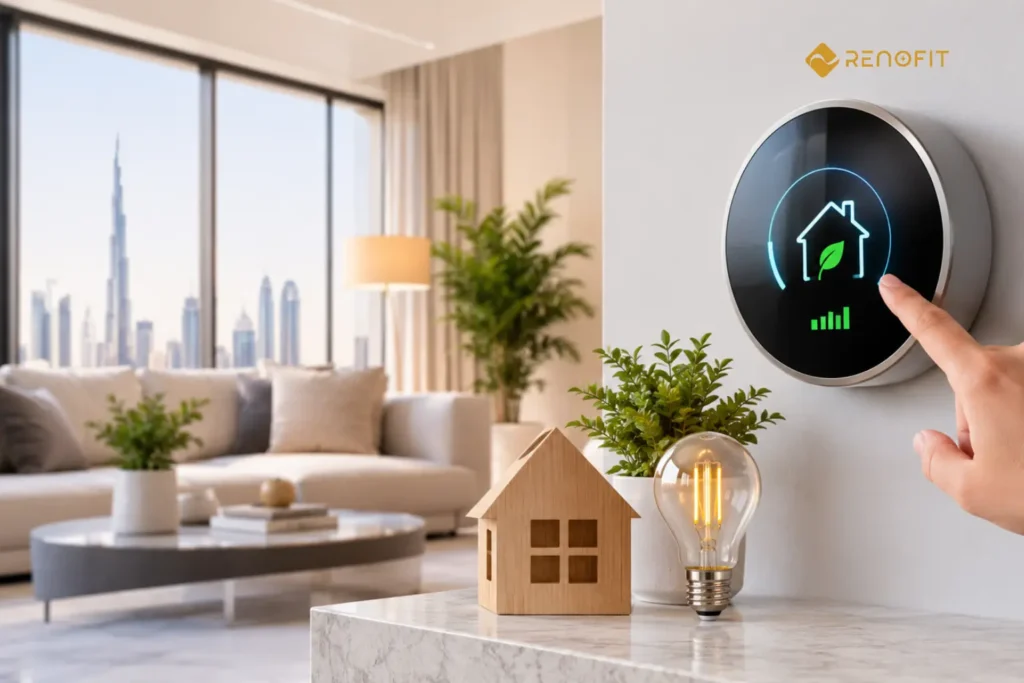
A comfortable home in Dubai depends on more than attractive interiors and modern furniture. When outdoor temperatures rise, the way a property handles heat, cooling and ventilation becomes equally important. An air conditioning system that runs continuously, windows that allow excessive heat inside or outdated electrical fittings can all contribute to unnecessary energy consumption.
For homeowners, this creates an important question: how can you make your property more comfortable without increasing everyday energy expenses?
The answer often starts with the right home improvements. From upgrading insulation and air conditioning to introducing smart lighting and efficient water systems, thoughtful renovation decisions can help improve how a property uses energy.
Whether you own a villa, apartment or investment property, energy-efficient upgrades can make your living space more practical for Dubai’s climate. This guide explores the improvements worth considering, how they work and what homeowners should know before starting a renovation project.
Why Dubai Homeowners Should Consider Energy-Efficient Renovations
Living in a hot climate means residential cooling is not something most households can avoid. Air conditioning is essential, but the condition and design of a property influence how hard these systems need to work.
Consider an older villa with poor roof insulation, outdated windows and an ageing cooling system. Even when the AC is operating properly, heat entering through the building structure can make indoor temperatures difficult to maintain.
The same issue can occur in apartments with inefficient lighting, older appliances or poorly sealed doors and windows.
Improving energy efficiency addresses these problems at their source rather than relying entirely on air conditioning.
Some important benefits include:
- More comfortable indoor spaces: Better insulation and window performance help manage unwanted heat.
- Reduced energy wastage: Efficient equipment and lighting can limit unnecessary electricity consumption.
- Better use of existing systems: Improvements to insulation and airflow can support more effective cooling.
- Practical long-term maintenance: Modern equipment and quality materials can reduce certain recurring maintenance requirements.
- Improved property appeal: Energy-conscious improvements can make a home more attractive to buyers and tenants.
The most suitable upgrades depend on the property’s age, construction, existing installations and household requirements.
8 Practical Energy-Efficient Upgrades for Dubai Homes
1. Start with the Building’s Insulation
Before investing in new cooling equipment, look at how effectively your home prevents outdoor heat from entering.
The roof, external walls and ceiling areas can all influence indoor temperatures. If these areas have inadequate insulation, the cooling system may need to operate for longer to maintain a comfortable environment.
For homeowners planning a renovation, insulation is worth discussing before ceilings and interior finishes are completed.
Possible improvements include:
- Adding suitable roof insulation.
- Improving insulation in external wall assemblies where feasible.
- Using appropriate insulated ceiling systems.
- Sealing gaps around permitted openings and service penetrations.
- Checking existing insulation for damage or deterioration.
For example, a villa with a large roof area may benefit from an assessment of roof insulation before other cosmetic renovation work begins.
The important consideration is selecting insulation that suits the building’s construction and local environmental conditions. Proper installation matters just as much as the material itself.
2. Make Your Air Conditioning System Work More Efficiently
Air conditioning is one of the first systems worth reviewing when improving a property’s energy performance.
An older unit may consume more electricity than a modern, appropriately sized alternative. However, replacing the equipment is not always the first step. Sometimes the actual problem involves poor maintenance, duct leakage or incorrect cooling capacity.
Homeowners should consider:
- Inspecting AC units and cleaning filters.
- Checking ducts for air leakage.
- Improving duct insulation where required.
- Evaluating inverter-based cooling systems.
- Installing compatible programmable or smart thermostats.
- Ensuring the cooling system is correctly sized for the property.
Dubai Electricity and Water Authority recommends setting the thermostat at 24°C or higher and regularly cleaning AC filters.
For larger properties, a professional cooling assessment can identify whether individual rooms receive adequate airflow and whether the existing system is operating efficiently.
A well-maintained cooling system, combined with suitable insulation, can help create a more comfortable indoor environment.
3. Reduce Heat Entering Through Windows
Large windows are an attractive feature in many Dubai homes. They allow natural light into living spaces and can make rooms feel more open.
However, windows exposed to direct sunlight can also contribute to indoor heat gain.
This becomes particularly important in villas and apartments with extensive glass surfaces.
Depending on the existing windows and building requirements, homeowners can consider:
Double-glazed windows: These use two glass panes separated by an insulating space to improve thermal performance.
Solar-control glass: Specially designed glazing can help manage solar heat entering the property.
Window films: Suitable solar-control films may help reduce heat and glare without completely changing the existing windows.
Thermal curtains and blinds: These provide an additional layer of protection against direct sunlight.
The right option depends on the property’s orientation, glazing specifications and building regulations.
For renovation projects, window improvements should be planned alongside insulation and cooling upgrades to achieve a more coordinated result.
4. Upgrade Traditional Lighting to LED Systems
Lighting is one of the simpler areas to improve during a home renovation.
Older lighting systems may use more electricity and generate additional heat. Replacing them with suitable LED alternatives can reduce lighting-related energy consumption.
LED lighting also gives homeowners greater flexibility when designing their interiors.
For example, a renovated villa can combine recessed ceiling lights with focused kitchen lighting, wardrobe illumination and decorative fixtures.
Other useful improvements include:
- Motion sensors for selected spaces.
- Dimmable lights in living and bedroom areas.
- Automatic lighting controls.
- Energy-efficient outdoor lighting.
- Separate lighting controls for different rooms.
The goal should be to provide sufficient illumination without unnecessarily lighting unused areas.
During an interior fit-out, an experienced renovation team can coordinate the lighting layout with ceiling design, electrical connections and the overall appearance of the space.
5. Choose Appliances Based on Actual Energy Consumption
Kitchen renovations offer an excellent opportunity to review household appliances.
A refrigerator, washing machine or dishwasher may remain in use for many years. Selecting an efficient model can therefore make a difference to long-term household electricity consumption.
However, the most expensive appliance is not automatically the most efficient.
Before purchasing, homeowners should compare:
- Energy-efficiency ratings.
- Annual electricity consumption.
- Appliance capacity.
- Water consumption where applicable.
- Maintenance requirements.
- Compatibility with the kitchen layout.
For example, a refrigerator that is larger than the household actually needs may result in unnecessary energy use.
The same principle applies to washing machines and dishwashers. Choose equipment that matches your everyday requirements rather than paying for features you rarely use.
6. Bring Better Energy Control into Your Home with Smart Technology
Modern homes are increasingly incorporating technology that gives residents greater control over their indoor environment.
Smart home systems can help manage cooling, lighting and selected electrical equipment through automated schedules and connected controls.
Some useful additions include:
- Smart thermostats.
- Automated lighting systems.
- Occupancy sensors.
- Smart plugs for compatible appliances.
- Household energy monitoring systems.
- Scheduled cooling controls.
Imagine leaving home for work and forgetting to adjust the cooling system. A compatible smart thermostat can allow you to manage settings remotely or follow a pre-programmed schedule.
Similarly, motion-based lighting can help prevent unnecessary illumination in areas that are not being used.
However, smart technology should be selected carefully. Check compatibility with existing AC equipment and electrical installations before purchasing.
7. Consider Solar Water Heating and Water-Saving Fixtures
Energy-efficient renovation is not limited to electricity. Water consumption also deserves attention, particularly in properties with older plumbing fixtures and conventional water-heating arrangements.
Solar water heating uses sunlight to heat water, potentially reducing the amount of electricity or other energy required by conventional water-heating equipment.
It can be worth evaluating for suitable villas and properties with appropriate roof space and installation conditions.
Other improvements include:
- Low-flow showerheads.
- Tap aerators.
- Dual-flush toilet systems.
- Efficient water heaters.
- Leak detection and plumbing repairs.
These changes can help reduce avoidable water consumption and improve the efficiency of household systems.
Before installing solar equipment, assess roof suitability, plumbing connections, structural requirements and applicable approvals.
8. Select Renovation Materials with Performance in Mind
A renovation is an opportunity to improve the property’s appearance, but material selection should also consider durability and performance.
Instead of focusing entirely on colour, texture and finish, homeowners should ask how each material will perform in the property’s environment.
For example, appropriate insulation materials can help manage heat transfer, while suitable exterior coatings may help reduce solar heat absorption.
Other considerations include:
- Materials with suitable thermal properties.
- Durable flooring and ceiling finishes.
- Low-emission paints.
- Appropriate window glazing.
- Products designed for local environmental conditions.
A good renovation plan balances visual appeal, functionality, durability and energy performance.
Which Energy-Efficient Improvements Are Best for Your Property?
Every home has different requirements. A villa with extensive glass windows may need a different renovation approach from an apartment with older appliances and lighting.
Here are some practical starting points.
Energy-Efficient Upgrades for Dubai Villas
Villas often have larger roof areas, multiple rooms and independent cooling requirements. This provides opportunities to improve several building elements together.
Recommended improvements include:
- Roof and ceiling insulation.
- Solar-control windows.
- Efficient air conditioning.
- Smart cooling controls.
- LED lighting throughout the property.
- Solar water heating where suitable.
If you are planning a complete villa renovation in dubai , these improvements should be discussed before the final design and material selections are approved.
Energy-Efficient Upgrades for Dubai Apartments
Apartment renovations may involve certain restrictions because external windows, cooling equipment and shared building systems can be controlled by the building management.
Nevertheless, there are several improvements homeowners can consider.
These include:
- Replacing conventional lights with LEDs.
- Choosing energy-efficient kitchen appliances.
- Using suitable thermal curtains.
- Installing compatible smart thermostats.
- Improving permitted door and window sealing.
- Upgrading bathroom and kitchen water fixtures.
Always confirm building management requirements before modifying shared systems or external building elements.
Improving Energy Efficiency in Older Properties
Older homes may have outdated electrical installations, inefficient cooling equipment or insulation that no longer performs effectively.
The first step should be a proper assessment of the property.
Rather than replacing every system immediately, identify the areas that contribute most to unnecessary energy consumption.
This makes it easier to prioritise renovation work according to the property’s condition and available budget.
How Much Can Energy-Efficient Home Improvements Save?
One of the most common questions homeowners ask is whether energy-efficient renovation will actually reduce their electricity bills.
The answer depends on several factors, including the building’s current condition, the equipment being replaced, household habits and the quality of installation.
DEWA’s Energy Conservation Handbook provides indicative savings potential for individual efficiency measures. For example:
- LED lighting can reduce lighting-related energy consumption by up to 80%.
- Inverter split AC systems can offer savings of up to 25% on relevant cooling consumption.
- Smart thermostats can offer savings of up to 20% in applicable cooling-control scenarios.
These figures refer to specific applications, not guaranteed reductions in the total electricity bill.
For a more accurate understanding, homeowners should review their existing DEWA consumption records and assess the expected performance of proposed upgrades.
It is also worth comparing the initial installation cost with the expected long-term operating benefits before making a decision.
Planning an Energy-Efficient Renovation? Here Is What to Do First
Good renovation results come from proper planning. Installing new equipment without understanding the property’s existing condition can lead to unnecessary expenditure.
Follow this practical approach before starting your project.
Step 1: Understand Where Your Home Uses Energy
Review electricity bills and identify the systems that operate most frequently.
Air conditioning, water heating and household appliances are useful starting points.
Step 2: Arrange a Property Assessment
Check the condition of windows, insulation, ceilings, electrical systems, plumbing and cooling equipment.
A professional assessment can help identify problems that may not be immediately visible.
Step 3: Decide Which Improvements Matter Most
Prioritise upgrades according to their practical benefits, project cost and compatibility with your property.
For example, improving insulation may be more useful than adding advanced smart technology if excessive heat entering the building is the main problem.
Step 4: Select Appropriate Materials and Equipment
Compare product specifications, efficiency ratings, durability and maintenance requirements.
Choose solutions that suit Dubai’s climate and the building’s construction.
Step 5: Coordinate Renovation Work Professionally
Insulation, ceiling works, lighting, electrical installations and cooling improvements often involve different areas of a renovation project.
Coordinating these activities helps avoid unnecessary rework and supports better installation quality.
Step 6: Review Energy Consumption After Completion
Once the improvements are complete, monitor your electricity and water consumption.
Compare similar billing periods while considering seasonal weather changes and household usage.
This provides a more realistic picture of how the upgrades are performing.
The Role of Professional Renovation in Energy Efficiency
An energy-efficient home is not created by installing one new product. It comes from making different parts of the property work together.
For example, efficient air conditioning may not deliver its full potential if the building has significant air leakage. Similarly, attractive new lighting may still consume unnecessary electricity if the layout is poorly planned.
This is why renovation decisions should consider the building as a complete system.
RenoFit UAE helps property owners improve and modernise their residential spaces through renovation and interior fit-out solutions. Whether the requirement involves upgrading an existing villa, improving apartment interiors or coordinating broader property improvements, professional planning helps ensure that the work is suited to the property’s actual needs.
A well-planned renovation should improve more than the appearance of your home. It should make everyday living more comfortable, practical and efficient.
FAQs
1. What is the most effective way to make a home energy-efficient in Dubai?
Start by assessing the property’s insulation and air conditioning performance. Improving roof insulation, reducing heat entering through windows and maintaining efficient cooling equipment can help address some of the major sources of residential energy consumption.
2. How can I reduce my home’s electricity consumption in Dubai?
Use LED lighting, maintain AC filters, select efficient appliances, improve insulation and manage cooling schedules. DEWA also recommends setting the AC thermostat at 24°C or higher.
3. Are energy-efficient windows worth installing in Dubai?
They can be useful, particularly in homes with large glass surfaces exposed to direct sunlight. Double glazing and solar-control glass can help manage heat transfer and solar heat gain, depending on the existing window specifications.
4. Can I improve my apartment’s energy efficiency without major renovation?
Yes. Start with LED lights, energy-efficient appliances, suitable curtains, water-saving fixtures and compatible smart cooling controls. These improvements can often be introduced without extensive structural work.
5. Is solar water heating suitable for Dubai villas?
Solar water heating can be suitable for villas with appropriate roof space, sunlight exposure and plumbing arrangements. A professional assessment is necessary to determine installation feasibility.
6. Does energy-efficient renovation increase property value?
Energy-efficient improvements can enhance a property’s comfort, functionality and appeal. However, the actual effect on market value depends on location, property condition, renovation quality and buyer demand.
7. Should I upgrade my AC system before renovating my home?
Not necessarily. First assess the cooling system, insulation, ductwork and window performance. This helps determine whether maintenance, targeted improvements or equipment replacement should come first.
Give Your Dubai Home a Smarter Renovation with RenoFit UAE
Making a home more energy-efficient starts with understanding what the property needs. The right improvements can help manage indoor temperatures, reduce unnecessary energy consumption and create a more comfortable living environment.
Whether you are planning a complete villa renovation, an apartment upgrade or improvements to your existing interiors, RenoFit UAE can help you explore practical renovation solutions.
Planning to upgrade your Dubai property? Get in touch with RenoFit UAE to discuss your renovation requirements and take the next step towards a more comfortable home.