

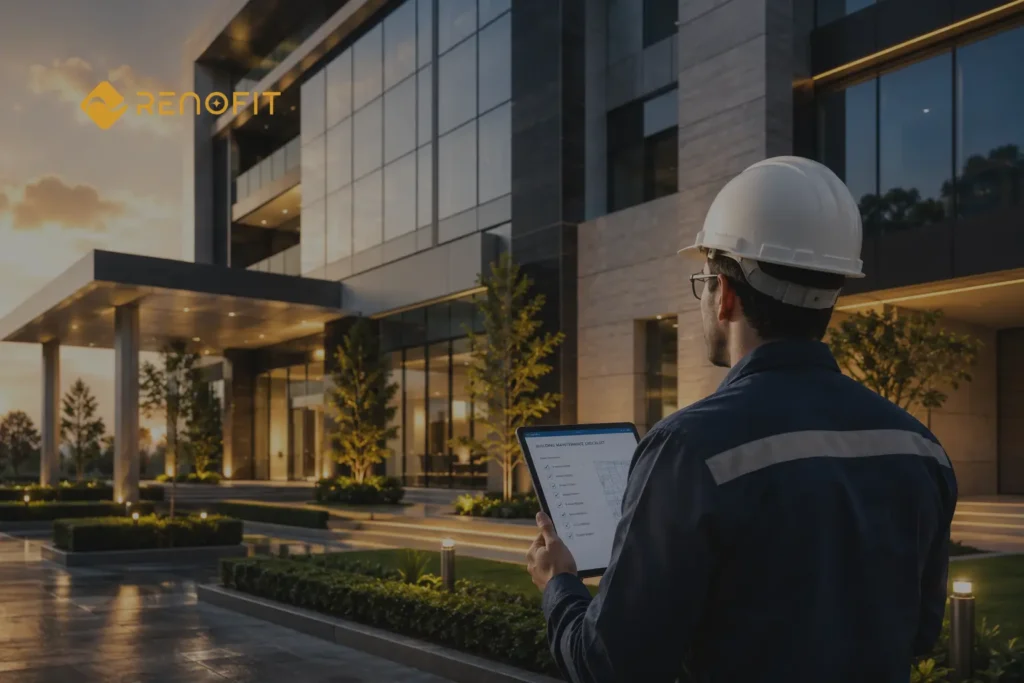
Building maintenance is an essential part of preserving the safety, functionality, and long-term value of any property. Whether it is a residential villa, apartment complex, office building, retail space, or commercial facility, every structure requires ongoing care to remain in good condition. However, one question frequently asked by property owners and managers is why some buildings seem to require significantly more maintenance than others.
While all properties experience natural wear and tear over time, several factors influence how often maintenance is needed and how extensive those maintenance requirements become. Understanding these factors can help property owners make informed decisions about inspections, preventive maintenance, upgrades, and long-term property management strategies.
The Age of the Building
One of the most significant factors affecting maintenance requirements is the age of the building.
Older buildings naturally experience more wear and deterioration than newer structures. Building systems, materials, and components have a limited lifespan, and as properties age, the likelihood of failures increases.
Common age-related maintenance issues include:
- Plumbing deterioration
- Electrical system aging
- Roof wear
- Waterproofing failures
- Structural cracks
- HVAC performance decline
Even well-maintained buildings require more frequent inspections and repairs as they grow older. Components that were once highly efficient may no longer perform at their original standards, increasing the need for maintenance interventions.
Quality of Construction
The quality of construction plays a major role in determining long-term maintenance requirements.
Buildings constructed using premium materials and proper installation practices generally experience fewer issues over time. On the other hand, properties built with lower-quality materials or poor workmanship may develop maintenance problems much earlier.
Construction-related factors that influence maintenance include:
- Material quality
- Waterproofing systems
- Structural integrity
- Installation accuracy
- Mechanical system design
- Finishing quality
Small construction deficiencies can eventually develop into larger maintenance concerns if not identified and corrected early.
Environmental Exposure
Buildings are constantly exposed to environmental conditions that affect their overall performance and durability.
In regions with high temperatures, humidity, dust, rainfall, and seasonal weather changes, building materials experience continuous stress. Exterior surfaces, roofs, sealants, drainage systems, and waterproofing layers are particularly vulnerable to environmental exposure.
Environmental conditions can accelerate:
- Material deterioration
- Surface cracking
- Paint damage
- Waterproofing degradation
- Corrosion
- Sealant failure
Properties exposed to harsher environmental conditions often require more frequent inspections and maintenance activities.
Building Usage and Occupancy Levels
How a building is used has a direct impact on maintenance requirements.
High-occupancy buildings generally experience greater wear and tear compared to properties with lower usage levels. Commercial offices, retail spaces, hospitality facilities, and residential complexes often require more maintenance because building systems operate continuously.
Examples of high-usage components include:
- Elevators
- Air conditioning systems
- Plumbing fixtures
- Electrical systems
- Common areas
- Parking facilities
The more frequently a building is used, the faster its systems and finishes may deteriorate.
Lack of Preventive Maintenance
One of the biggest reasons some buildings require excessive maintenance is the absence of preventive maintenance programs.
When inspections and servicing are postponed, minor issues often develop into larger and more expensive problems. Small leaks, worn components, blocked drains, and electrical faults may remain unnoticed until visible damage occurs.
Preventive maintenance helps identify:
- Early system failures
- Structural concerns
- Water intrusion risks
- Equipment wear
- Safety hazards
Buildings that follow structured maintenance schedules typically experience fewer unexpected repairs and lower long-term maintenance costs.
Waterproofing Performance
Water damage remains one of the leading causes of maintenance problems in buildings.
Properties with inadequate waterproofing systems often experience:
- Ceiling stains
- Damp walls
- Mold growth
- Concrete deterioration
- Paint damage
- Structural weakening
Water intrusion can affect multiple building components simultaneously, making repairs more complex and expensive.
Regular inspections help ensure waterproofing systems continue performing effectively throughout the life of the building.
Mechanical and Electrical Systems
Modern buildings rely heavily on mechanical and electrical infrastructure to support daily operations.
HVAC systems, electrical networks, pumps, generators, and fire safety systems require routine servicing to maintain reliability and efficiency.
Buildings with outdated or poorly maintained systems may experience:
- Equipment breakdowns
- Energy inefficiency
- Operational disruptions
- Increased repair costs
- Reduced occupant comfort
Properties with advanced systems often require specialized maintenance programs to ensure optimal performance.
Design Complexity
The design of a building can also affect maintenance requirements.
Properties featuring complex architectural elements, specialized materials, extensive glazing, decorative facades, and advanced building technologies may require more maintenance than simpler structures.
Examples include:
- Glass facades
- Decorative cladding
- Water features
- Automated systems
- Luxury finishes
- Smart building technologies
While these features enhance aesthetics and functionality, they may also increase maintenance responsibilities.
Occupant Behavior
The way occupants use a property influences maintenance needs more than many people realize.
Improper use of building systems, neglect of basic upkeep, and delayed reporting of maintenance issues can accelerate deterioration.
Examples include:
- Misuse of plumbing fixtures
- Overloading electrical systems
- Ignoring minor leaks
- Poor housekeeping practices
- Delayed maintenance requests
Educating occupants about proper building usage can significantly reduce maintenance requirements over time.
Material Selection
The materials used during construction and interior finishing affect both durability and maintenance frequency.
High-quality materials generally offer:
- Better resistance to wear
- Improved durability
- Lower maintenance requirements
- Longer service life
Conversely, lower-quality materials may deteriorate more quickly and require frequent repairs or replacement.
Material selection is especially important for:
- Flooring
- Roofing
- Waterproofing systems
- Paint coatings
- Exterior finishes
- Mechanical components
Investing in durable materials often reduces long-term maintenance expenses.
Deferred Repairs
Many property owners delay repairs to reduce immediate costs. Unfortunately, deferred maintenance often creates larger problems later.
For example:
- A small roof leak may damage ceilings and electrical systems.
- A plumbing leak may weaken surrounding structures.
- Minor cracks may expand into major structural concerns.
Addressing issues promptly helps prevent costly repairs and protects the overall condition of the property.
Property Management Practices
The quality of property management has a significant impact on building maintenance performance.
Well-managed properties typically benefit from:
- Scheduled inspections
- Preventive maintenance programs
- Accurate maintenance records
- Professional servicing
- Rapid issue resolution
Properties without structured management often experience higher repair costs, increased downtime, and reduced operational efficiency.
Many building owners work with the best facility management company in Dubai to ensure maintenance activities are properly planned and executed throughout the year.
Renovations and Upgrades
Properties that undergo periodic upgrades often remain in better condition than those that receive little attention over time.
Modernization projects can improve:
- Building performance
- Energy efficiency
- Safety standards
- Occupant comfort
- System reliability
In many cases, owners choose to work with a renovation company in Dubai to address aging infrastructure, improve functionality, and extend the lifespan of existing properties.
Similarly, businesses seeking modern interior environments may collaborate with the best fit out company in Dubai to enhance operational efficiency and create spaces that support evolving business requirements.
The Importance of Long-Term Planning
Building maintenance should never be viewed as a short-term expense. Instead, it should be considered an investment in the long-term health of the property.
A proactive maintenance strategy helps:
- Reduce repair costs
- Improve safety
- Extend equipment lifespan
- Preserve property value
- Enhance occupant satisfaction
- Improve operational efficiency
Buildings that receive consistent care typically perform better, require fewer emergency repairs, and maintain their market value more effectively.
How Professional Maintenance Support Helps
Professional maintenance teams bring technical expertise, systematic inspections, and proactive planning to property management.
Routine assessments help identify:
- Emerging structural concerns
- Equipment performance issues
- Waterproofing weaknesses
- Energy inefficiencies
- Safety risks
Organizations with dedicated maintenance support can address problems before they impact building operations or occupant comfort.
Conclusion
The reason some buildings require more maintenance than others is rarely due to a single factor. Age, construction quality, environmental exposure, occupancy levels, preventive maintenance practices, material selection, and property management strategies all influence long-term maintenance requirements.
Buildings that receive regular inspections, timely repairs, and proactive care generally experience fewer problems and lower maintenance costs over time. In contrast, properties that neglect maintenance often face increased repair expenses, reduced efficiency, and accelerated deterioration.
Reno Fit understands that effective building maintenance requires more than simply fixing problems when they occur. Through proactive maintenance strategies, technical expertise, and long-term property care solutions, building owners can protect their investments, improve operational reliability, and maintain safe, efficient environments for years to come.