

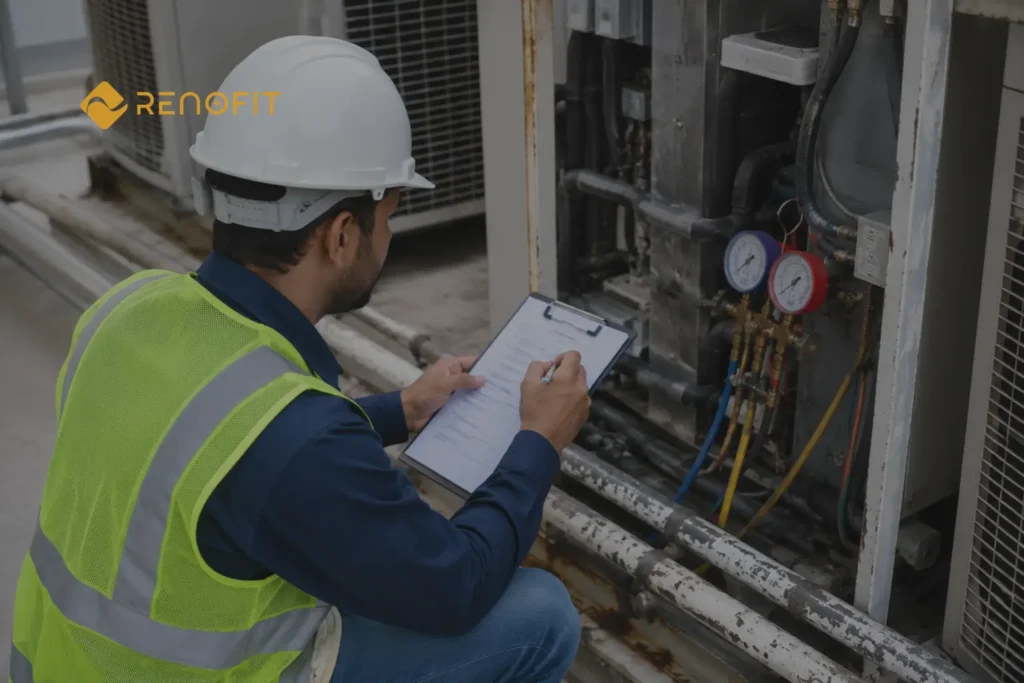
Buildings, whether residential, commercial, or industrial, require continuous care to remain safe, efficient, and operational. While many property owners focus on repairs only after problems become visible, preventive maintenance plays a critical role in avoiding costly breakdowns and protecting long-term property value.
Preventive maintenance refers to scheduled inspections, servicing, and maintenance activities performed before major issues occur. Instead of waiting for equipment failures, leaks, electrical faults, or structural damage, preventive maintenance helps identify potential risks early and address them before they become expensive problems.
Ignoring preventive maintenance may seem like a way to reduce short-term expenses, but in reality, it often leads to significantly higher repair costs, operational disruptions, safety concerns, and reduced property lifespan. Understanding the consequences of neglected maintenance can help property owners make informed decisions about protecting their investments.
Understanding Preventive Maintenance
Preventive maintenance involves planned inspections and servicing designed to keep building systems operating efficiently. These activities are performed regularly based on maintenance schedules rather than waiting for equipment or structures to fail.
Common preventive maintenance tasks include:
- Electrical inspections
- Plumbing system checks
- HVAC servicing
- Roof inspections
- Waterproofing assessments
- Fire safety system testing
- Drainage inspections
- Structural evaluations
- General property maintenance
The purpose is simple: detect small issues before they develop into major problems.
Increased Repair Costs
One of the biggest consequences of ignoring preventive maintenance is the increase in repair expenses.
Small maintenance issues rarely remain small for long. A minor plumbing leak can develop into extensive water damage. A neglected HVAC system may eventually require complete replacement. A small roof crack can allow moisture intrusion that damages ceilings, walls, and flooring.
When maintenance is delayed, repairs become more complicated and costly because multiple building components are often affected.
Property owners who invest in routine maintenance generally spend less on emergency repairs and unexpected replacements over the long term.
Higher Risk of Water Damage
Water damage is among the most expensive property problems. Small leaks, damaged waterproofing systems, blocked drains, and deteriorating seals can allow moisture to enter the building structure.
Without preventive inspections, water intrusion often remains hidden until visible signs appear, such as:
- Ceiling stains
- Damp walls
- Mold growth
- Peeling paint
- Flooring damage
By the time these symptoms become noticeable, repairs may already involve significant costs.
Many property owners eventually require assistance from waterproofing contractors Dubai after preventable water issues have developed into major structural concerns.
Reduced Equipment Lifespan
Building systems and equipment are designed to operate efficiently when properly maintained. Regular servicing helps reduce wear and tear while ensuring optimal performance.
Ignoring maintenance can shorten the lifespan of:
- Air conditioning systems
- Electrical components
- Plumbing networks
- Pumps
- Fire safety systems
- Mechanical equipment
Replacing major building systems is significantly more expensive than maintaining them through scheduled inspections and servicing.
Preventive maintenance protects equipment investments while improving long-term operational efficiency.
Increased Energy Consumption
Poorly maintained systems often consume more energy than necessary.
Air conditioning systems with dirty filters, damaged components, or poor airflow must work harder to achieve desired temperatures. Electrical systems may become less efficient, increasing energy usage and utility costs.
Common causes of increased energy consumption include:
- Dirty HVAC components
- Blocked ventilation systems
- Aging electrical equipment
- Poor insulation
- Unmaintained mechanical systems
Regular maintenance helps improve energy efficiency and reduce operational expenses.
Safety Risks for Occupants
Safety is one of the most important reasons preventive maintenance should never be ignored.
Building systems that are not regularly inspected can create serious hazards, including:
- Electrical faults
- Fire risks
- Water-related slip hazards
- Structural weaknesses
- Equipment failures
In commercial environments, safety issues can affect employees, customers, visitors, and business operations.
Routine inspections help identify risks before they become dangerous situations.
Structural Deterioration
Buildings are constantly exposed to environmental conditions, usage stress, and natural aging. Without maintenance, structural issues can gradually develop and worsen over time.
Common structural problems include:
- Cracked walls
- Damaged concrete
- Corrosion
- Roof deterioration
- Foundation movement
Ignoring these warning signs may eventually compromise building integrity and require extensive restoration work.
Property owners often underestimate how quickly minor structural defects can escalate when maintenance is postponed.
Business Disruptions
For commercial properties, maintenance failures can directly affect business operations.
Unexpected equipment breakdowns, plumbing failures, electrical outages, or air conditioning problems may result in:
- Reduced productivity
- Customer dissatisfaction
- Temporary closures
- Financial losses
- Operational interruptions
Businesses rely on functional building systems to maintain daily operations. Preventive maintenance helps reduce the likelihood of unexpected disruptions that impact profitability.
Poor Indoor Air Quality
Air conditioning and ventilation systems play a major role in maintaining healthy indoor environments.
Without regular maintenance, HVAC systems may accumulate:
- Dust
- Dirt
- Mold spores
- Bacteria
- Allergens
Poor indoor air quality can affect occupant comfort and contribute to health concerns.
Routine servicing helps ensure clean airflow and healthy indoor conditions throughout the property.
Reduced Property Value
Properties that receive regular maintenance generally retain higher market value than those with visible deterioration and unresolved issues.
Potential buyers, tenants, and investors often evaluate:
- Building condition
- Maintenance history
- System performance
- Structural integrity
- Safety compliance
Neglected maintenance can lower property value and reduce market appeal.
Investing in preventive maintenance protects both the physical condition and financial value of the property.
Increased Emergency Situations
Emergency repairs are often the direct result of maintenance neglect.
Examples include:
- Burst pipes
- Electrical failures
- HVAC breakdowns
- Roof leaks
- Drainage blockages
Emergency repairs are typically more expensive because they require immediate attention and may involve additional damage caused by the original problem.
Preventive maintenance reduces the likelihood of unexpected emergencies and costly service interruptions.
The Role of Waterproofing in Preventive Maintenance
Waterproofing is a critical component of any preventive maintenance strategy, particularly in regions where buildings face environmental exposure and aging infrastructure.
Routine waterproofing inspections help identify:
- Roof vulnerabilities
- Balcony leakage risks
- Wall cracks
- Sealant failures
- Drainage problems
Property owners often seek support from a professional waterproofing company in Dubai to ensure their buildings remain protected from moisture-related damage and long-term structural deterioration.
Addressing waterproofing concerns early helps avoid expensive repairs and preserve building integrity.
Why Professional Maintenance Matters
Preventive maintenance requires technical expertise, organized planning, and ongoing monitoring. Professional maintenance providers help property owners identify potential risks before they become major operational or structural problems.
An experienced maintenance team can develop customized schedules based on building type, system requirements, and usage patterns.
Many property owners searching for the best facility management company in Dubai prioritize proactive maintenance programs because they help reduce long-term expenses while improving operational reliability.
Properties undergoing upgrades and modernization projects may also benefit from working with a renovation company in Dubai that understands how maintenance, repairs, and property improvements work together to support long-term building performance.
Long-Term Benefits of Preventive Maintenance
Preventive maintenance offers several long-term advantages, including:
- Lower repair costs
- Improved building safety
- Increased equipment lifespan
- Better energy efficiency
- Reduced emergency breakdowns
- Enhanced property value
- Improved operational reliability
- Greater occupant comfort
Rather than reacting to problems after they occur, preventive maintenance focuses on protecting buildings before issues develop.
Conclusion
Ignoring preventive maintenance may save money temporarily, but the long-term consequences can be significant. Higher repair costs, equipment failures, water damage, safety concerns, reduced property value, and operational disruptions are just some of the risks associated with maintenance neglect.
A proactive maintenance strategy helps protect building systems, preserve structural integrity, improve efficiency, and reduce unexpected expenses. Regular inspections and scheduled servicing provide property owners with greater control over maintenance costs while supporting long-term building performance.
Reno Fit understands the importance of preventive maintenance in protecting residential and commercial properties. Through structured maintenance solutions, technical expertise, and proactive property care, building owners can reduce risks, improve reliability, and maintain safe, efficient environments for years to come.